Payment Processing Delays and Their Effects on Roulette Choices in Mobile Loyalty Systems
Hugo Sullivan · Oct 31, 2026

Payment Processing Delays and Their Effects on Roulette Choices in Mobile Loyalty Systems
Payment processing delays in wireless loyalty programs create measurable shifts in how participants approach roulette selections, according to industry reports that track transaction times across mobile platforms. These latencies arise from different funding methods, including bank transfers, digital wallets, and card authorizations, each carrying distinct completion intervals that affect the timing of bet placements. Data from gaming operators shows that players often adjust their wagering patterns when deposit confirmations take longer than expected, particularly in environments where loyalty points accumulate based on real-time activity.
Defining Funding Option Latencies in Wireless Environments
Funding option latencies represent the elapsed time between a deposit request and its availability for use in roulette sessions on handheld devices. Studies from regulatory bodies indicate that credit card transactions typically clear within seconds to minutes, whereas certain e-wallet options or bank-linked methods extend to several minutes or longer depending on network conditions. In October 2026, operators noted increased scrutiny on these intervals as mobile loyalty programs expanded reward structures tied directly to bet volume and frequency. Observers note that such variations influence decision trees because players cannot proceed with selections until funds register in their accounts, which alters the pace of gameplay cycles.
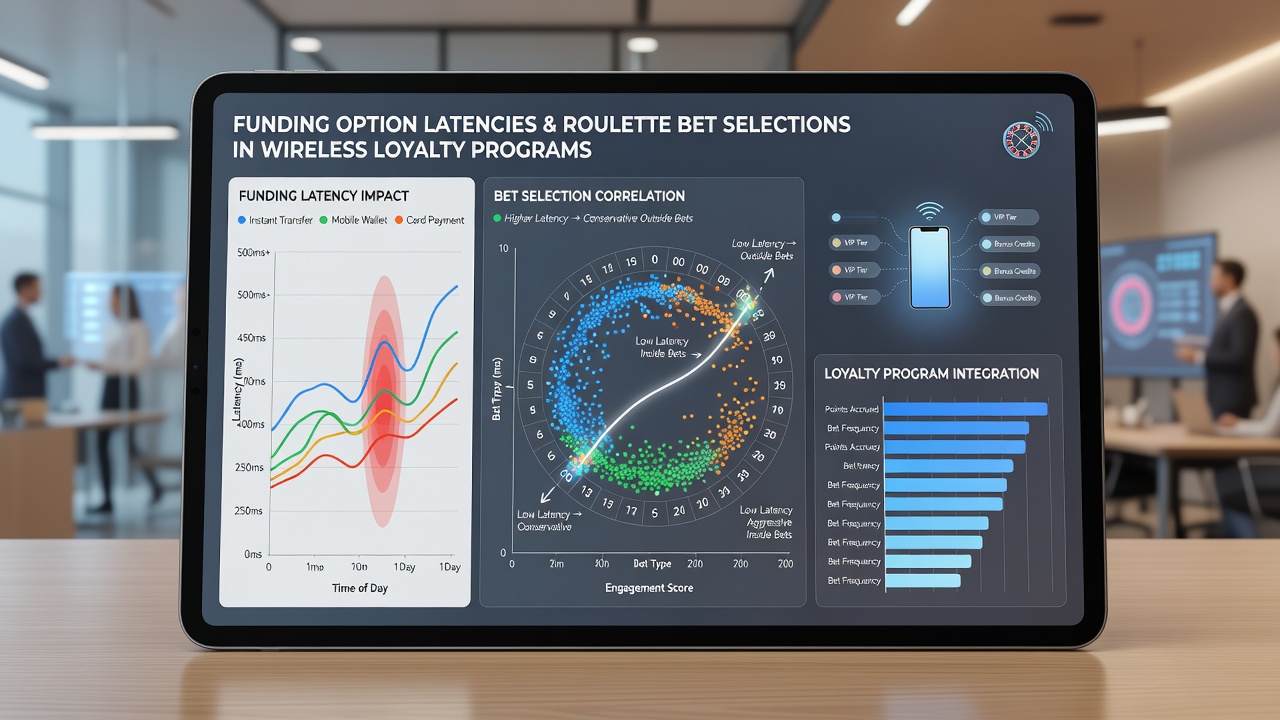
Wireless loyalty frameworks integrate these funding mechanisms with point accrual systems, so delays ripple through reward calculations. Research indicates that participants monitor progress bars or status notifications during waits, and this monitoring period sometimes leads to revised bet sizing once access resumes. Figures from platform analytics reveal correlations between longer latencies and preferences for lower-risk roulette options like even-money wagers, as users seek to preserve balances while awaiting full confirmation.
Connections Between Transaction Times and Roulette Patterns
Transaction times connect directly to roulette patterns through their impact on session continuity and point accumulation rates. When funding delays occur, players encounter interruptions that prompt reevaluation of initial strategies, such as switching from column bets to straight-up selections or vice versa. Evidence from cross-platform comparisons shows that shorter latency methods encourage more frequent small bets, whereas extended processing periods correlate with consolidated larger wagers once funds activate. Those who have examined loyalty tier data find that mid-tier participants experience the most pronounced adjustments, because their reward multipliers depend on consistent betting volume that delays can disrupt.
Additional factors include network variability in wireless connections, which compounds funding latencies and further shapes selections. Reports highlight instances where users opt for outside bets during high-latency periods to minimize exposure while monitoring account updates. This behavior aligns with findings that synchronization between payment gateways and game interfaces determines how quickly loyalty rewards update, thereby influencing the perceived value of each roulette spin.
Regional Data and Loyalty Program Responses
Regional data illustrates varying influences across markets. According to analyses from the New Jersey Division of Gaming Enforcement, mobile platforms in regulated jurisdictions recorded average latency differences of up to 45 seconds between funding types during peak hours in late 2026. These differences prompted adjustments in roulette selections among loyalty members, with many favoring color-based bets during extended waits. Industry associations have documented similar patterns in other areas, where operators refine interface designs to display estimated processing times alongside bet options.
Operators respond by prioritizing funding methods with predictable intervals in their loyalty integrations. Data shows that programs emphasizing instant-access options maintain steadier bet distributions across roulette layouts. Yet programs reliant on variable methods see shifts toward conservative selections until funds clear, which affects overall reward distribution rates. Researchers discovered through session logs that these adaptations occur consistently regardless of player experience levels, pointing to systemic effects of latency rather than individual preferences alone.
Examining Broader Platform Integrations
Broader platform integrations reveal how funding latencies intersect with algorithmic reward matrices in wireless systems. Loyalty tiers often calibrate point earnings to bet amounts placed within specific windows, so processing delays can compress or extend those windows. Evidence suggests that participants adjust selections to align with remaining time buffers, such as choosing dozen bets that resolve quickly to maximize spins before the next funding cycle. Platform metrics from October 2026 indicate measurable upticks in such tactical shifts during periods of elevated network demand.
Security protocols embedded in payment gateways add another layer, because verification steps sometimes extend latencies without altering the underlying game mechanics. Those monitoring operational standards note that transparent communication about expected delays helps stabilize roulette patterns, reducing erratic changes in bet types. Academic reviews of mobile gaming ecosystems further connect these elements, showing that seamless funding flows support more uniform selection distributions across loyalty participant groups.
Conclusion
Funding option latencies exert clear influence on roulette bet selections within wireless loyalty programs by altering session timing and reward synchronization. Available data demonstrates consistent patterns where processing intervals guide adjustments toward certain bet categories over others. As mobile platforms continue evolving their payment and loyalty integrations, these relationships remain central to understanding participant behavior across different funding methods and regulatory environments.